
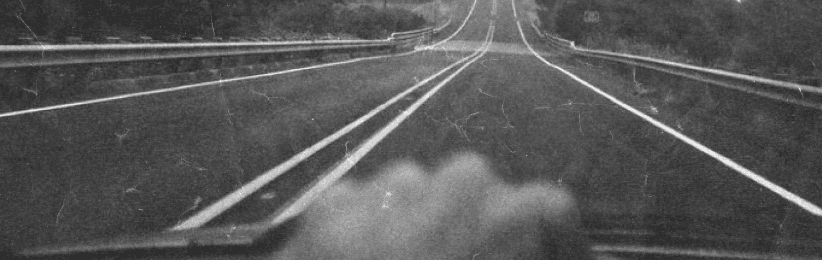
There’s something raw, unfiltered, and brutally honest about being alone with yourself in the middle of something hard. Whether it’s a solo road trip across states you’ve never seen, hiking into a wilderness with no reception, or signing up for a grueling endurance event with no support crew, it forces you to strip away the noise and sharpen the blade.
We live in a world obsessed with connection, constant notifications, group chats, “collabs,” and content built for an audience. But some of the strongest people you’ll ever meet? They have mastered the art of being alone, and not just comfortably, but intentionally. They seek it. They train it. They build it into their lives like a workout plan for their mind.
The Real Value of Being Alone in the Struggle
Doing something challenging by yourself is not about romanticizing isolation. It’s about the discipline and self-awareness that come from having no one else to blame, motivate, or guide you in the moment.
When you’re alone:
- There’s no audience. Your wins and failures are yours alone. This strips away performative effort and forces authentic action.
- You control the pace. No matching someone else’s stride, adjusting for group decisions, or feeling rushed. You set the tempo and adapt in real time.
- You hear your own mind. Without the distraction of conversation or external influence, your inner voice gets louder and you learn whether it’s a coach or a critic.
This is the difference between a group gym session and quietly grinding through a 10-mile run alone in the rain. One builds camaraderie, the other builds resilience.
Lessons From the Lone Wolves
Three types of high-performers have mastered this skill and their worlds couldn’t be more different.
1. Ultra Runners
These athletes spend hours, sometimes days covering extreme distances. Alone, often in the middle of nowhere, they push past pain and boredom with sheer mental grit. Ask them what they learn from it, and they’ll talk about patience, self-regulation, and making peace with discomfort.
2. Combat Operators
Special forces operators may train in teams, but they’re drilled to handle missions solo if needed. Alone in high-pressure, high-stakes environments, their survival depends on decisiveness and self-trust. They learn to function without reassurance or constant feedback a skill most civilians never develop.
3. Solo Adventurers
From mountaineers to long-distance motorcyclists, these individuals embrace the risk and reward of self-reliance. Their trips aren’t “getaways”, they’re deliberate challenges designed to reveal what’s left when comfort is stripped away.
Why It Works: The Science of Alone-Time Pressure
Psychology and neuroscience back up what these people experience:
- Cognitive load adaptation: Without social distractions, your brain allocates more bandwidth to problem-solving and environmental scanning.
- Stress inoculation: Repeated exposure to high-stress situations alone builds resilience. You learn to manage fear without an external safety net.
- Intrinsic motivation: Studies show solo achievers rely more on internal reward systems, making them less dependent on external validation.
In plain terms: doing hard sh*t alone literally rewires your brain to handle more, with less panic.
How to Build Your Own “One Challenge a Year” Habit
The good news: you don’t have to be an ultramarathoner or Navy SEAL to get these benefits. You just need a structured solo challenge. Here’s how:
Step 1: Pick Something That Scares You (But Won’t Kill You)
It has to feel intimidating, otherwise you won’t trigger the mental adaptations. But it also has to be achievable with preparation, like hiking 20 miles in a day, running your first half marathon, or a multi-day solo road trip.
Step 2: Set Rules and Stick to Them
No shortcuts. If the challenge is a 5-day hike, don’t suddenly decide to skip a section because it’s “not fun.” The rules create the pressure that forces growth.
Step 3: Remove the Comfort Crutches
That might mean no music, no phone calls, or no GPS except in emergencies. These rules strip away the distractions that make you feel safe.
Step 4: Journal or Debrief After
The insights often come days later. Write down what you felt, feared, and learned. These notes will be gold for your next challenge.
The Payoff
When you learn to suffer alone and come out stronger, the rest of life gets easier. You’ll find you can handle stress at work, personal challenges, and uncertainty with a steadier hand. You stop waiting for external permission to take action.
In a world where groupthink and constant communication dominate, the ability to operate solo is a competitive advantage. You become more adaptable, more self-reliant, and far less shaken by the unexpected.
Alone doesn’t mean isolated. It means prepared. If you can run 20 miles through the mountains with no one to cheer you on, or navigate a foreign city solo without Wi-Fi, you can handle almost anything life throws at you.
So pick your challenge. Make it hard. Do it alone.